Energy conservation is more than a trendy buzzword; it is a fundamental practice that translates directly into lower home utility bills, a smaller carbon footprint, and a more sustainable lifestyle. For homeowners, the battle for efficiency is fought on two fronts: inside the house and throughout the surrounding yard.
Achieving true energy mastery involves a holistic approach, scrutinizing everything from insulation and appliances to the plumbing and landscape design. By integrating conscious choices and strategic investments, any property can be transformed into an exemplar of efficiency.
The Home Front: Indoor Energy Efficiency
The core mission indoors is simple: minimize the energy needed to heat, cool, light, and power the home. This requires attention to the building envelope and the systems operating within it.
The Role of Insulation and the Envelope
The building envelope—the barriers that separate the conditioned interior from the unconditioned exterior—is the first line of defense. Proper insulation in the attic, walls, and floors acts as a thermal barrier, resisting heat flow. In the winter, it keeps warmth in; in the summer, it keeps heat out. Key areas include:
- Attic Insulation: This is often the most cost-effective upgrade. Aim for recommended R-values, which measure thermal resistance.
- Sealing Air Leaks: Drafts around windows, doors, electrical outlets, and plumbing penetrations can account for significant heat loss. Simple weatherstripping and caulking are inexpensive ways to dramatically improve efficiency.
- Window Efficiency: Replacing single-pane windows with high-efficiency, double or triple-pane windows with low-emissivity (Low-E) coatings can significantly reduce heat transfer.
Efficient Systems and Appliances
When it comes to heating, ventilation, and air conditioning (HVAC), efficiency is paramount. Upgrading to ENERGY STAR® certified furnaces, air conditioners, and heat pumps can cut energy consumption dramatically. Regular maintenance, such as changing filters and annual tune-ups, ensures the systems run at peak efficiency.
Similarly, appliances account for a substantial portion of the household’s electricity use. Replacing older refrigerators, washers, dryers, and dishwashers with modern, high-efficiency models saves energy over their lifespan. Even lighting makes a difference; transitioning from incandescent bulbs to LED lighting reduces electricity consumption by up to 90% and lasts much longer.
Plumbing and Water Conservation
Energy conservation is inextricably linked to plumbing and water usage, particularly when considering hot water. Heating water accounts for a substantial percentage of a home’s energy bill. By implementing smart plumbing strategies, homeowners can save both water and the energy used to heat it:
- Low-Flow Fixtures: Installing low-flow showerheads and faucet aerators reduces the volume of water used, which in turn reduces the demand on the water heater.
- Insulating Water Pipes: Insulating hot water pipes, especially near the water heater and along long runs, minimizes heat loss as the water travels, ensuring less energy is wasted.
- Tankless Water Heaters: While a larger initial investment, tankless (on-demand) water heaters save significant energy by heating water only when needed, rather than maintaining a large tank of hot water 24/7.
- Addressing Leaks: A persistent drip can waste hundreds of gallons of water per year and, if it’s a hot water leak, waste energy too. Promptly repairing all leaks is a crucial conservation practice.
The Energy Revolution: Harnessing Solar Power
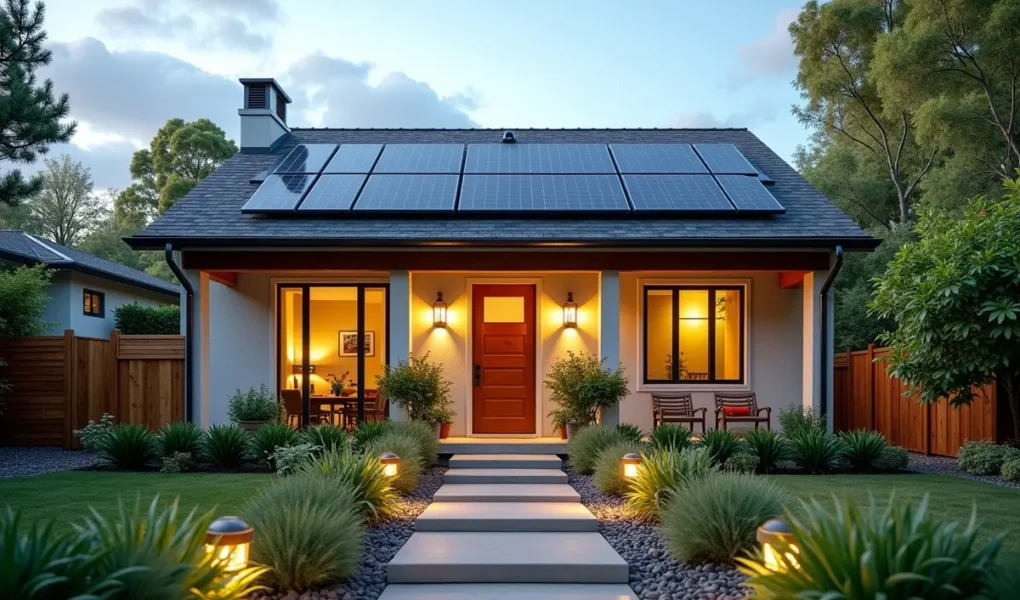
Perhaps the single greatest step a homeowner can take toward energy independence and conservation is the installation of a solar panel system. These photovoltaic systems convert sunlight directly into usable electricity, fundamentally changing the home’s energy profile.
- Net Metering and Independence: With net metering policies, excess electricity generated during the day can be fed back into the grid, earning credits that offset the cost of electricity drawn at night or on cloudy days. This turns the homeowner into a producer, not just a consumer.
- Reduced Carbon Footprint: Solar power is a clean, renewable energy source, dramatically lowering the home’s reliance on fossil-fuel-generated electricity.
- Long-Term Investment: While the initial cost is significant, solar panels offer a rapid return on investment through reduced or eliminated electricity bills, and they increase the property’s value. Modern solar technology is highly durable and requires minimal maintenance.
The integration of solar panels is the ultimate form of energy conservation, as it shifts the source of power to an infinitely renewable resource.
The Yard: Landscape Design for Efficiency
The yard is often overlooked as an energy conservation tool, yet a thoughtful landscape design can dramatically reduce a home’s heating and cooling requirements. This is where specialized expertise in merging natural beauty with functional design becomes invaluable.
Strategic Planting for Climate Control
Trees and shrubs, when strategically placed, are living air conditioners and windbreaks:
- Shading: Deciduous trees planted on the east and west sides of a home provide cooling shade in the summer, significantly reducing the need for air conditioning. Once they lose their leaves in the winter, they allow sunlight to warm the home naturally.
- Windbreaks: Evergreen trees and dense shrubbery planted to the north and northwest (in colder climates) can block harsh winter winds, reducing air infiltration and lowering heating demands.
Water-Wise Landscaping (Xeriscaping)
Conservation extends to water use outdoors. Xeriscaping is a design principle focused on reducing or eliminating the need for supplemental water from irrigation.
- Drought-Tolerant Plants: Choosing native and adaptive plants that thrive in the local climate without heavy watering.
- Efficient Irrigation: Installing drip irrigation systems instead of conventional sprinklers delivers water directly to the plant roots, minimizing evaporation and waste.
- Mulch: Applying thick layers of organic mulch around plants retains soil moisture, reduces weed growth, and moderates soil temperature, further decreasing the need for irrigation.
Partnering for a Masterpiece: Southern Landscape
To truly maximize the energy and aesthetic potential of your outdoor space, homeowners should seek professional guidance from a firm that understands the intersection of luxury and sustainability. Southern Landscape serves as a premier partner for top-tier landscape design and construction, specializing in the unique climate of Austin and the Texas Hill Country.
As an award-winning design-build firm, Southern Landscape creates outdoor living masterpieces that harmonize with your lifestyle, blending natural beauty with sophisticated design to transform your property. Their holistic approach ensures that conservation is woven into the very fabric of the design:
- Master Planning & Design: Their in-house team of designers and architects creates intelligent, buildable master plans that account for site-specific microclimates, ensuring trees and structures are placed to optimize shading and energy efficiency.
- Expert Construction: With in-house masons, carpenters, and irrigators, they ensure that every element—from complex elevations to custom stonework—is executed to the highest standards of durability and longevity.
- Smart Water Management: Recognizing that a healthy landscape requires intelligent stewardship, they offer specialized irrigation services and xeriscaping. By embracing drought-tolerant gardens, they help homeowners conserve water while creating stunning environments that thrive in the Central Texas sun.
- Seamless Integration: From outdoor kitchens to pools and arbors, Southern Landscape extends the comfort of your home into the fresh air, creating a cool respite that reduces the burden on your indoor cooling systems.
The result is more than just a beautiful yard; it is a meticulously crafted extension of the home designed to withstand the test of time while promoting a more efficient way of living.
Conclusion: The Sustainable Home
Energy conservation is a journey of continuous improvement, encompassing a broad range of practices from micro-adjustments like insulating pipes to macro-investments like solar panels and full-scale landscape overhauls.
By rigorously addressing the building envelope, upgrading internal systems, and implementing water-wise plumbing and landscaping practices, homeowners can achieve significant savings and enhanced sustainability.
The partnership between responsible stewardship of the home’s systems and a thoughtfully designed exterior by experts like Southern Landscape completes the vision of a truly efficient and elegant property. The sustainable home is not a futuristic concept; it is an attainable reality built one energy-saving decision at a time.